Member Briefing
Elective Pay 101: How Nonprofits and Foundations Can Access Clean Energy Tax Credits
View resources from Elective Pay 101: How Nonprofits and Foundations Can Access Clean Energy Tax Credits.
View resources from Elective Pay 101: How Nonprofits and Foundations Can Access Clean Energy Tax Credits.
View resources from MCF Member Briefing: Understanding Approaches for Bridging Across Difference with Ellen Wolter and David MuCullough.
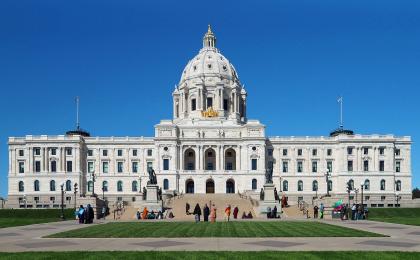
With the Minnesota 2024 legislative session beginning February 12, MCF has finalized our 2024 advocacy agenda for the year.
Join the Minnesota Council on Foundations, the McKnight Foundation, and Press Forward National, for a member briefing on Press Forward Minnesota - an initiative to reshape the local news landscape in Minnesota, and re-center local journalism as a force for community cohesion, civic participation, and government accountability, with a focus on racial equity.

Thanks to the generous support of MCF members, the Minnesota Democracy Expansion Fund has raised over $360,000 to invest in successful implementation of these reforms.
Bolder Advocacy is here to dispel the myth that project-specific grants need to prohibit the use of grant funds for lobbying.
Answering questions like: What types of organizations advocate? What motivates or prohibits them from advocating? What resources do nonprofits need to increase impact and create more equitable systems?
Join the Minnesota Council of Nonprofits, Greater Twin Cities United Way, and the Minnesota Council on Foundations for a conversation with the Commissioner of the Minnesota Department of Administration, Tamar Gronvall.
Join a conversation with Chief Executives for Corporate Purpose (CECP) to discuss implications and opportunities of the new 1% floor on deductible corporate charitable donations.
Join this briefing to hear first-hand analyses from state agencies and gain an understanding of philanthropy’s future role.
Join the Minnesota Census and Democracy Partnership to learn about the impact of the Minnesota Democracy Expansion Fund and democracy reforms.
The 2030 census is five years away but the opportunity to engage is now. From leadership changes, data collection decisions, and executive orders, there is much to navigate as communities gear up for the 2030 census.