We are committed to helping philanthropy create the conditions for a Minnesota where race no longer determines outcomes or predicts success in key areas of life.
Image
We believe a more equitable Minnesota is possible. Courageous and connected leaders working—within and across—our philanthropic community help build this future together. We’re investing long-term in these leaders and the communities they serve through our new EBDI Institute
Through leadership development, organizational learning, and practice, we support MCF members at all stages of their EBDI journey as our contribution to help tilt the odds toward our shared vision.
We know this work has never been easy, and right now it’s particularly challenging. Across the country, EBDI efforts face renewed resistance—legal challenges, corporate rollbacks, political attacks on diversity, equity, and inclusion itself. Many funders are quietly rolling back commitments, erasing words from websites, afraid of becoming targets. Others are speaking louder, standing behind their values. Many are somewhere in between—still committed, but unsure how to move forward with clarity, courage, and coherence.
All of us at MCF are continuing our EBDI journey—and we’re here to support you through it. This isn’t just institutional fog or platitudes; it’s personal. Our philanthropic leaders are navigating the space among what they believe, what their boards expect, what their peers model, and what feels politically safe.
Our new EBDI Institute provides resources and programs to create space to reconnect with your internal compass, speak honestly, and discover new paths forward. You don’t have to do this alone.
Our Values
We act with courage.
We risk who we are today, individually and collectively, as we confront racism and inequity—even when uncomfortable. We create conditions for others to do the same.
We practice humility.
We are one among many forces for change in the world. We don’t have all the answers, so we act alongside our members and communities most impacted by inequity, learning from their leadership and lived experience.
We embrace experimentation.
We test assumptions, reflect openly, and embrace trial and error—honoring multiple ways of knowing. We support members in doing the same, especially when EBDI work becomes rigid or performative, helping them return to it as a living, relational practice.
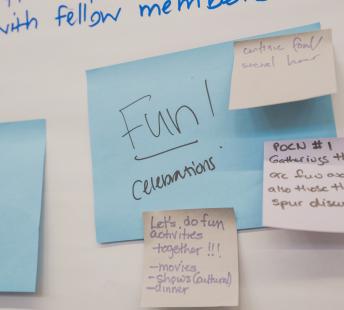
We cultivate joy.
This work is hard, so joy is not an afterthought. We celebrate progress, milestones, and the creativity that sustains our individual and collective energy.
We commit to persistence.
We persist through challenges and setbacks in our EBDI work, understanding that our efforts toward racial equity require steady attention and commitment.
Image
Our Commitment to Internal Practice
We start with ourselves. MCF board and staff are on our own EBDI journey.
Leadership Development We grow every board member’s and staff member’s capacity to lead with an EBDI lens through an annual collective and personal learning agenda—evolving how we think and expanding our breadth of perspective.
Organizational Learning and Practice We’re centering EBDI in MCF’s governance and organizational policies, practices, and culture—from how we make decisions to how we allocate resources—not just what we offer others.
Our transformation shapes everything we offer you.
Find Support for Your EBDI Journey
Whether you’re just beginning to center EBDI in your work, navigating pushback on established commitments, or looking to deepen your practice, we meet you where you are. You might engage with one area or weave between all of our offerings as your context shifts.
Growing Your Leadership
Image
Experiential Leadership Lab
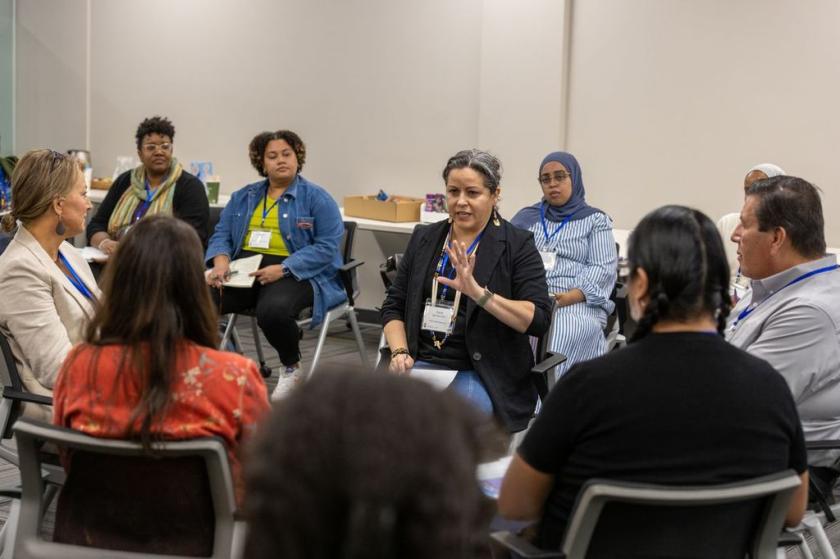
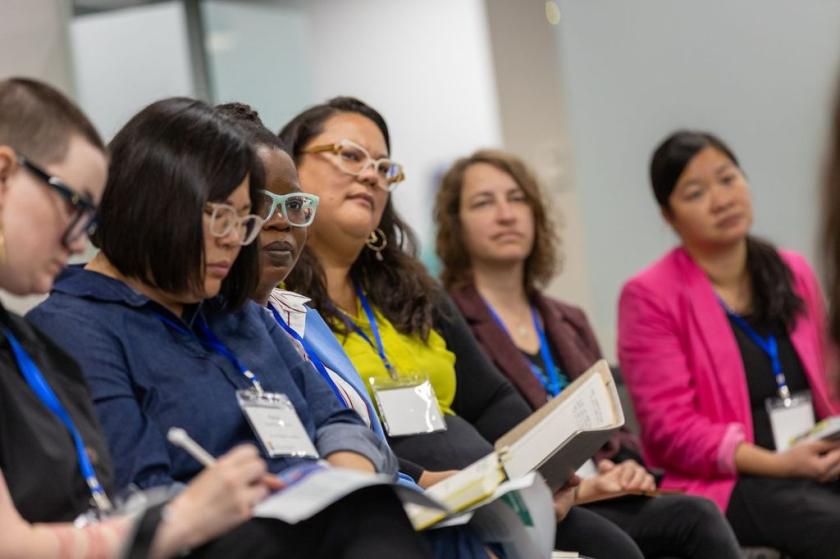
Deepen your capacity to lead through the complexity of EBDI work through quarterly full-day, in-person sessions. Engage with thought-provoking content on challenging topics such as governance, investments, and bridging rural-urban divides. In small peer learning groups, bring real challenges from your context, then give and receive feedback in a supportive environment. Leave with greater capacity to see multiple perspectives, work through discomfort, and navigate the relational dynamics of organizational transformation. Open to all MCF members. Explore the lab.
We are a curious and courageous collective cultivating the leadership of Black, Indigenous, and People of Color and/or LGBTQ+ professionals in philanthropy. We are guided by the African philosophy of Ubuntu—meaning “I am because we are”. This principle honors our multiple ways of knowing and reminds us that our growth as leaders is fundamentally connected to our relationships and community.
Through quarterly leadership development sessions, optional virtual Ubuntu Circles for peer support, and an annual Ubuntu Leadership Summit, we create spaces to be connected, inspired, and supported. Explore our Community of Practice.
Strengthening Foundation Policies, Practices, and Culture
Image
Center for Organizational Learning and Practice
Foundation Spotlights share real EBDI journeys—successes and setbacks— from philanthropy practitioners.
Cross Sector Learning Series feature leaders from government, corporate, education, and nonprofit sectors. Each session includes small group breakouts to apply learning to your role and context. Open to all MCF members.
RUBI connects and mobilizes the power of philanthropy to amplify and invest in rural-urban bridging work across Minnesota.
As political and cultural divides increasingly map onto geography, RUBI creates conditions for Minnesotans to build relationships across the rural-urban divide through powerful storytelling that reshapes narratives, relationship-building, leadership skill development, and structural change—nurturing belonging and interdependence in the face of marginalization and polarization.
As these new initiatives launch, we’re committed to learning publicly. We are engaging a learning partner to document and share lessons from our successes and setbacks with our members, the community, and the field. But we won’t stop there!
We are creating conditions for equity, belonging, diversity, and inclusion in our programs by interrogating and decolonizing our methods, structures, and curriculum. While we strive to offer more culturally appropriate and responsive content and pedagogy, we are not perfect at any of these things. We stumble. We try again. We improve.
This means:
Tracking what matters most: We use simple, custom organizational learning practices to understand whether our work is making a difference—including pulse points during sessions, post-session feedback that bridges the gap between our intentions and participant experiences, and annual visioning sessions with key communities to ensure our programs stay relevant and responsive.
Learning from you: Through tools like the Critical Incident Questionnaire, we gather anonymous feedback after each session to understand what’s landing and what needs adjustment. We review responses, identify patterns, and share what we’re learning—including the sense we’re making of it all and the actions we’re taking to improve.
Staying accountable: We also seek to amplify our member stories and insights as we make progress toward our shared vision. Your experiences—successes and challenges—help the whole field learn what’s possible and what’s hard about this work.