
Foundations Respond to Crisis: A Three-Part Series

From the Center for Effective Philanthropy: In early spring of 2020, as the COVID-19 pandemic worsened, foundations in the U.S. began to respond by shifting resources and practices. Some funders, nonprofits, and others in the field called for fundamental changes in how funders approach their work — including upping the provision of long-term, flexible funding; shifting the funder–grantee power dynamic; placing greater trust in nonprofits; and increasing foundation payout.

The pandemic has exacerbated long-standing structural inequities — especially in Black, Latino, Native American, low-income and working-class communities, and for people with disabilities. As such, foundations have also been called on to invest in communities hit hardest by the pandemic, and to integrate racial equity more comprehensively into their work.

Given these calls, what’s actually changing in foundations’ practices? And what does this mean for the future?

Download the reports

Share This
More ResourcesSee All Resources
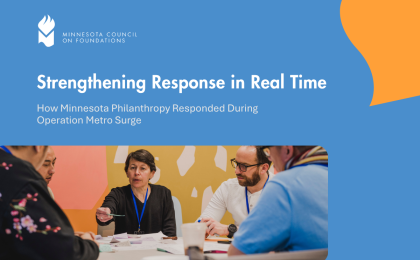
Strengthening Response in Real Time

This Rapid Response Report serves as a testimony to how Minnesota’s philanthropic ecosystem organized during a critical moment in state history. It offers vital lessons, structural insights, and

Placeholder image

Guide to Fiscal Sponsorship

As fiscal sponsorship continues to become a more widely used tool for charitable impact, it is important that 501(c)(3) organizations acting as a fiscal sponsor are doing it right.

Placeholder image

Immigrant Rapid Response Fund: Briefing Series

Between Christmas 2025 and February 2026, Operation Metro Surge brought roughly 2,000 federal immigration agents to the Twin Cities. More than 4,000 people were arrested. Two Minnesotans were killed.

X